
The State Archives of Cagliari performs a wide range of functions and activities in the service of the community, including the protection and preservation of documentary heritage, public access, education and cultural promotion.
This page presents the Institute’s main services and areas of activity. Here you can find services for the public, learn about the Archives’ conservation and protection work, discover educational opportunities and initiatives promoting its heritage, and quickly reach the relevant sections through guided paths.
Services for the Public
Services providing access to documentary heritage, consultation of sources, and use of the Archives’ spaces and resources.
Public services are the first point of contact between the Archives and its users. Whether consulting original documents, using the library, requesting reproductions or obtaining information, every service is organized to ensure clear procedures, transparency and qualified support.
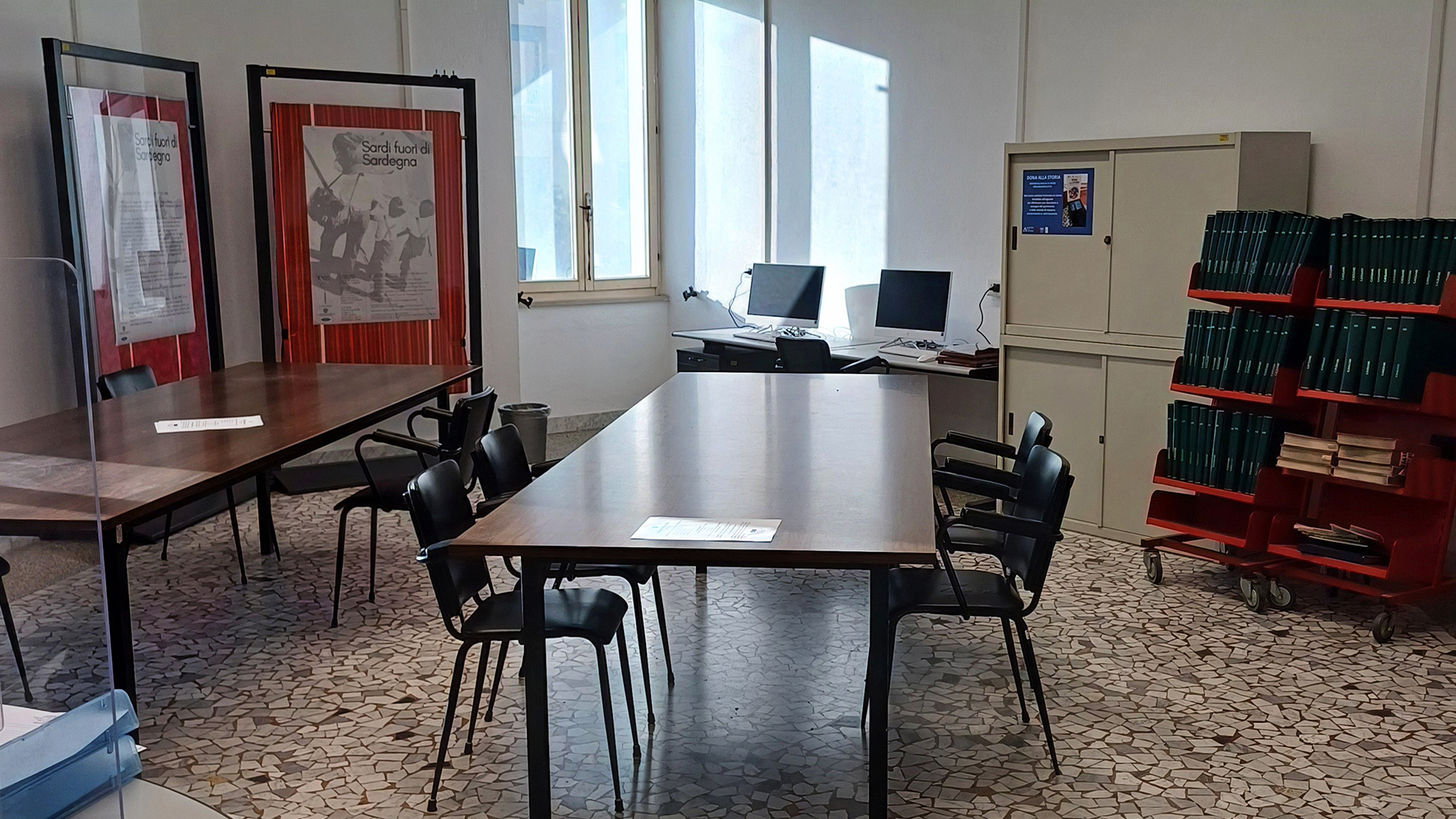
What is the study room? The study room is the space dedicated to the direct consultation of archival documents held by the Cagliari State Archives. Here, scholars, students and members of the public can access original sources for historical, legal, administrative and cultural research. Consultation takes place in accordance with heritage protection rules and with…
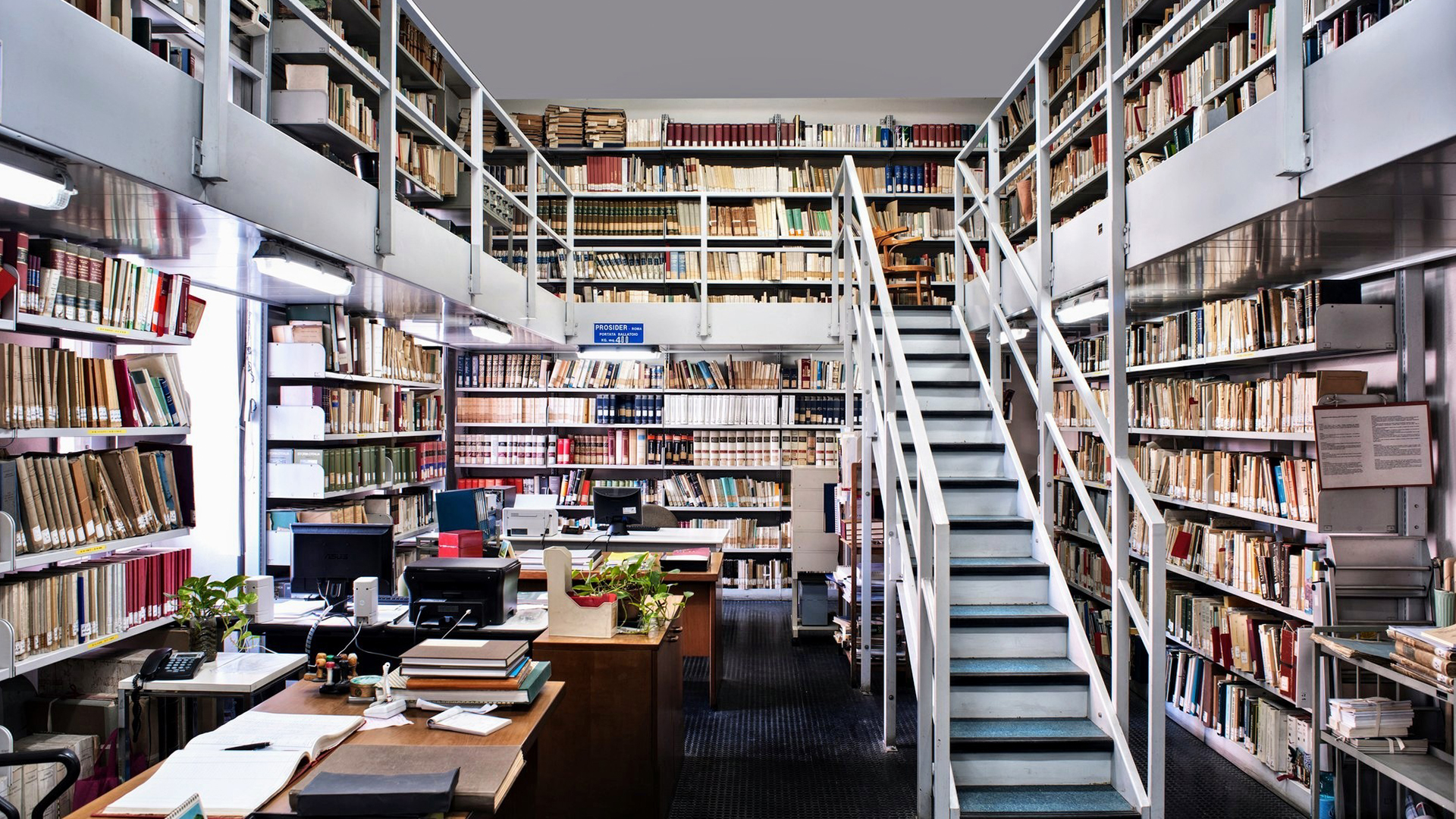
1. The Library of the Cagliari State Archives The Cagliari State Archives Library complements archival consultation with a specialist book collection dedicated to history, archival science, palaeography, diplomatic studies and related disciplines. The service was created to support the study of documentary sources and to provide useful tools for their interpretation and contextualisation. The Library…
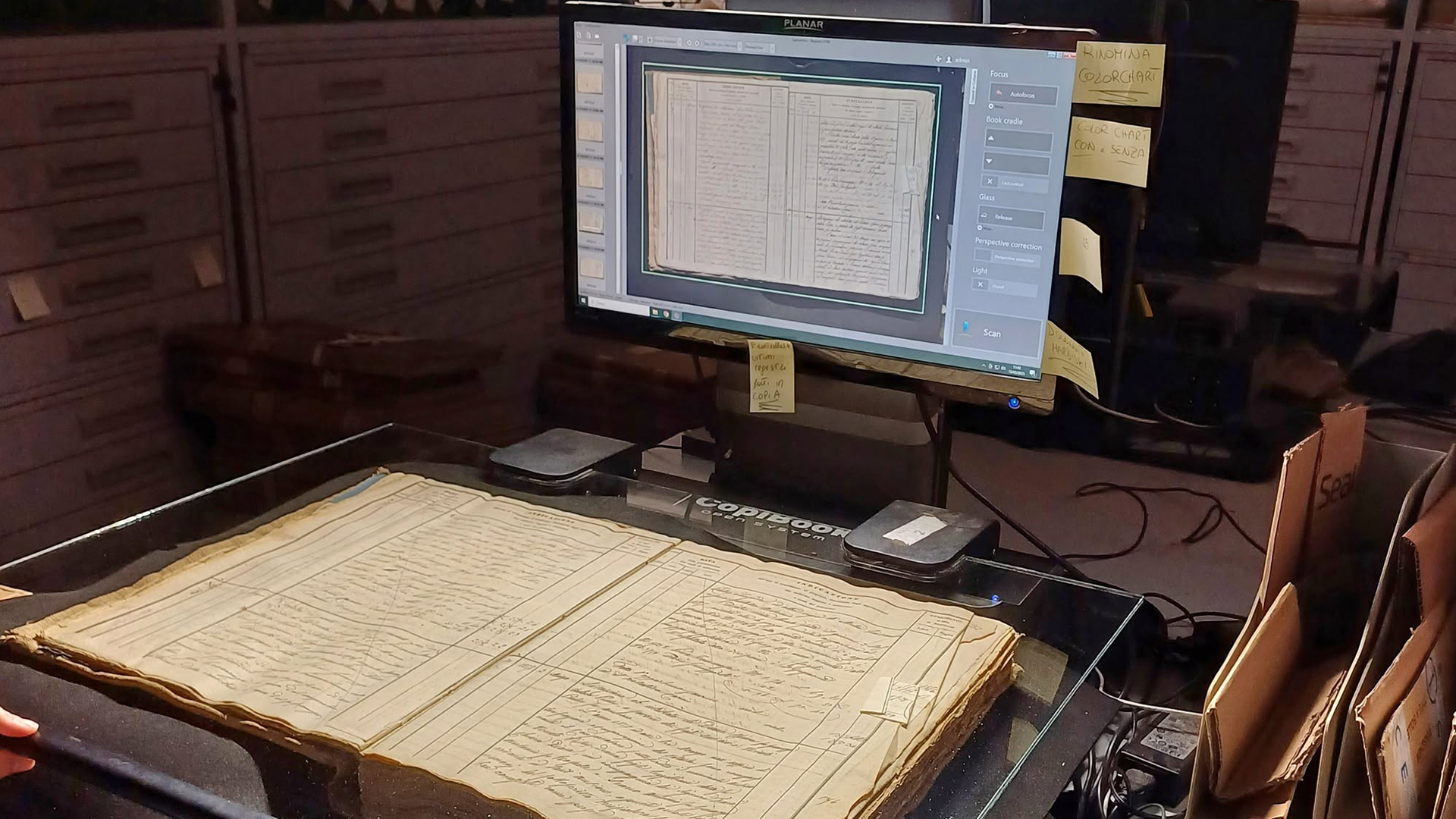
Service description The reproduction service provides digital or photographic copies of documents held by the Cagliari State Archives, in accordance with current legislation and the need to protect the documentary heritage. Reproducing documents is essential for study, research and remote consultation of sources, and reduces the handling of originals, helping to preserve them over time.…
Conservation and Protection of Heritage
The activities through which the Archives safeguards documents physically and intellectually and ensures their preservation over time.
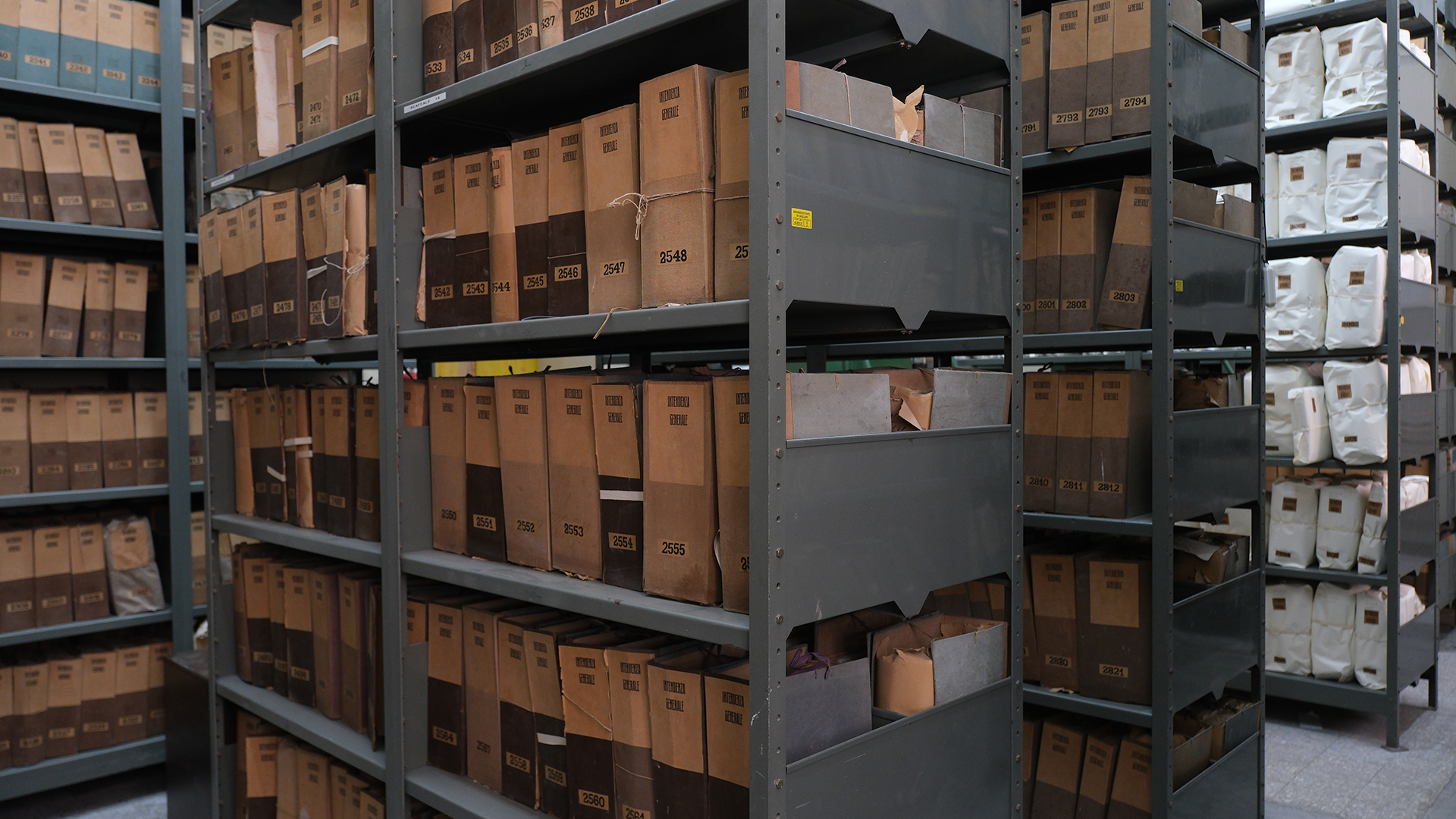
The conservation and protection of archival heritage are among the fundamental functions of the State Archives of Cagliari and are essential to every form of access and promotion. Through continuous specialist work, the Institute safeguards the material and intellectual integrity of documents, ensuring their authenticity and their correct transmission to future generations.
Conservation and protection activities include archival supervision, arrangement and proper management of records, technical advice on conservation, and direct conservation and restoration work. The Archives therefore operates not only as a repository, but as an active centre of expertise capable of preventing deterioration, intervening on the heritage, and promoting shared protection practices with public bodies, institutions and record creators.
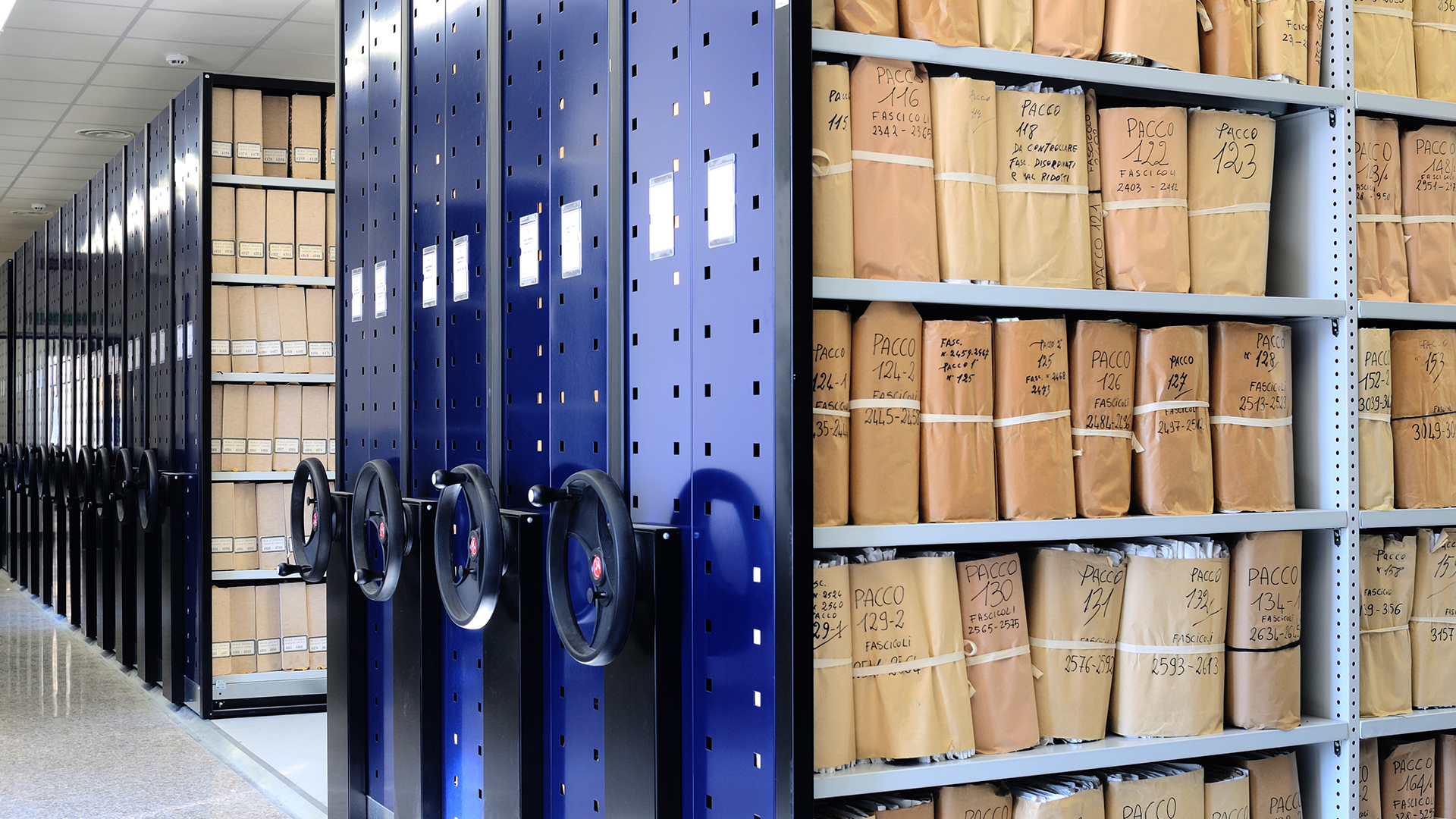
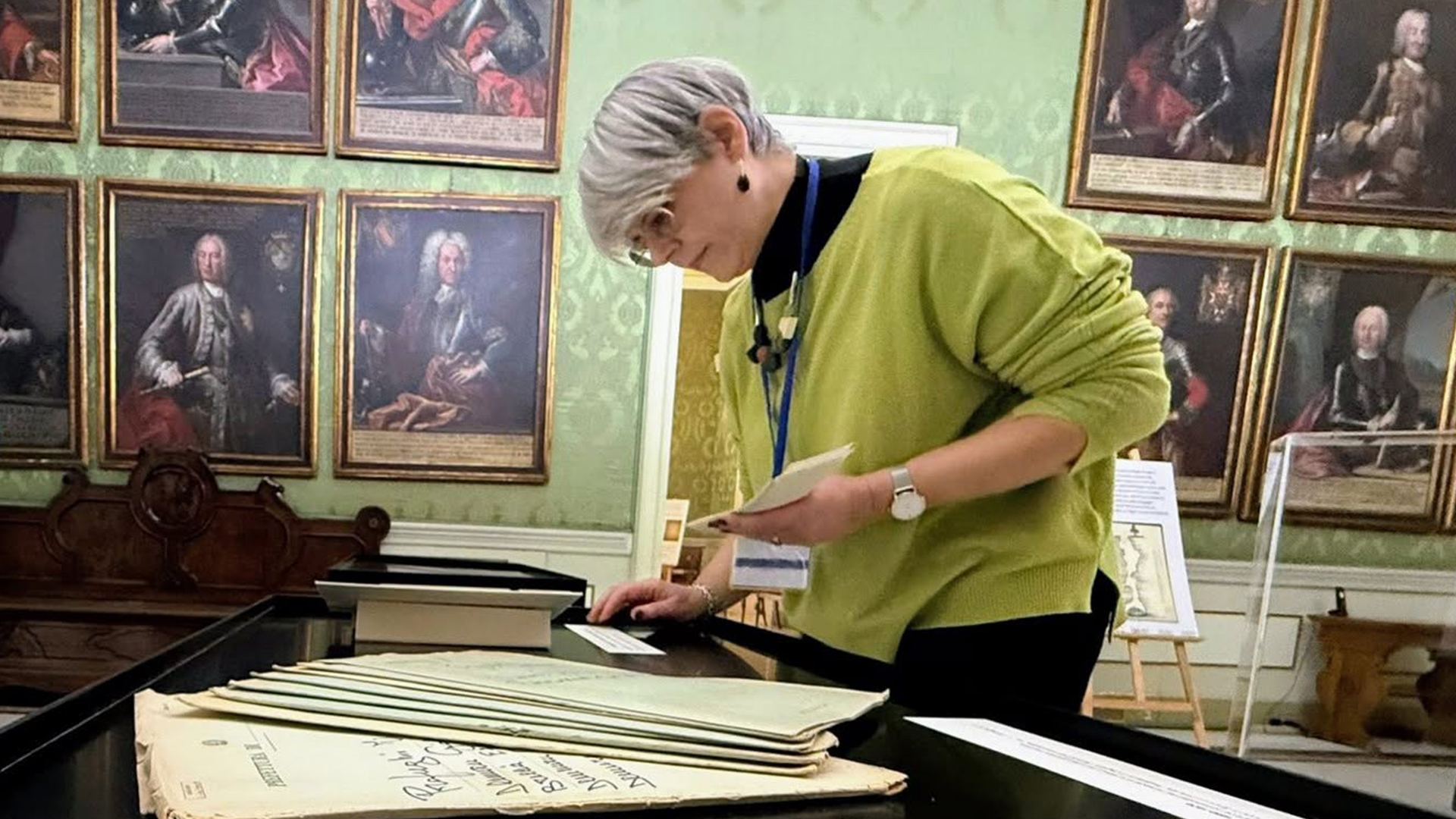
1. The role of specialist activities The specialist activities of the Cagliari State Archives form part of its institutional role in supporting the protection of archival heritage, alongside its core functions of preserving and managing its holdings. Drawing on established technical and scientific expertise, the institution provides qualified guidance on conservation, the physical management of…
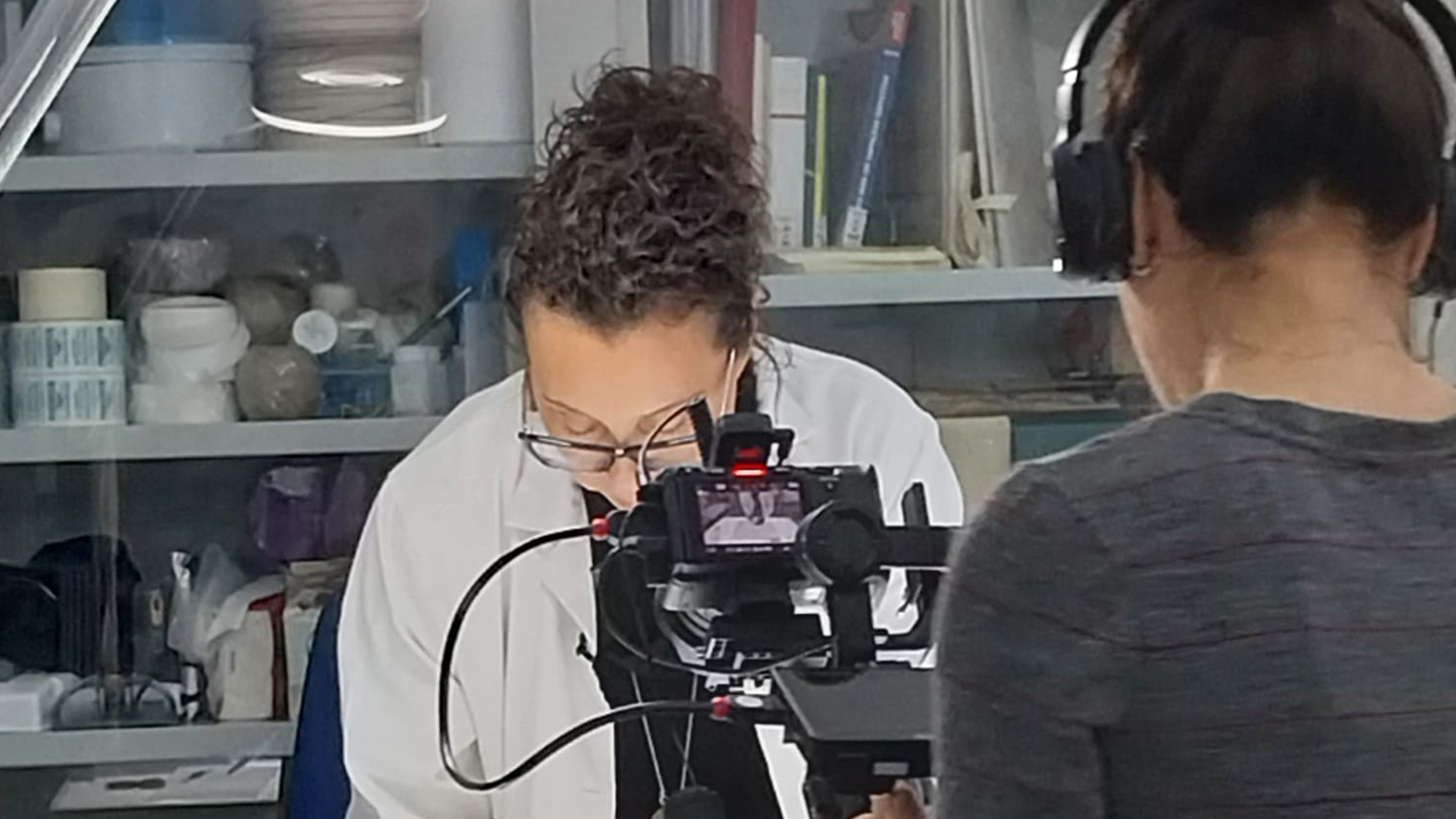
1. The role of the laboratory The conservation laboratory of the Cagliari State Archives plays an essential role in protecting the documentary heritage. Its task is to ensure the physical preservation of documents by treating paper supports and bindings to safeguard their integrity, legibility and long-term accessibility. The laboratory’s work forms part of the Archives’…

Memory Education and Training
Training programmes and educational activities promoting knowledge of archival sources and historical disciplines, from specialist study to public outreach.
Education and training are an integral part of the public mission of the State Archives. Through structured programmes and dedicated activities, the Institute promotes knowledge of archival sources, historical research methods and the cultural value of the records it preserves. Its educational offer addresses different audiences, from professionals and researchers undertaking specialist training to students, teachers and citizens interested in exploring the relationship between history, documents and institutions. In this way, the Archives becomes a place of continuous learning, where memory serves as a tool for knowledge, awareness and cultural growth.
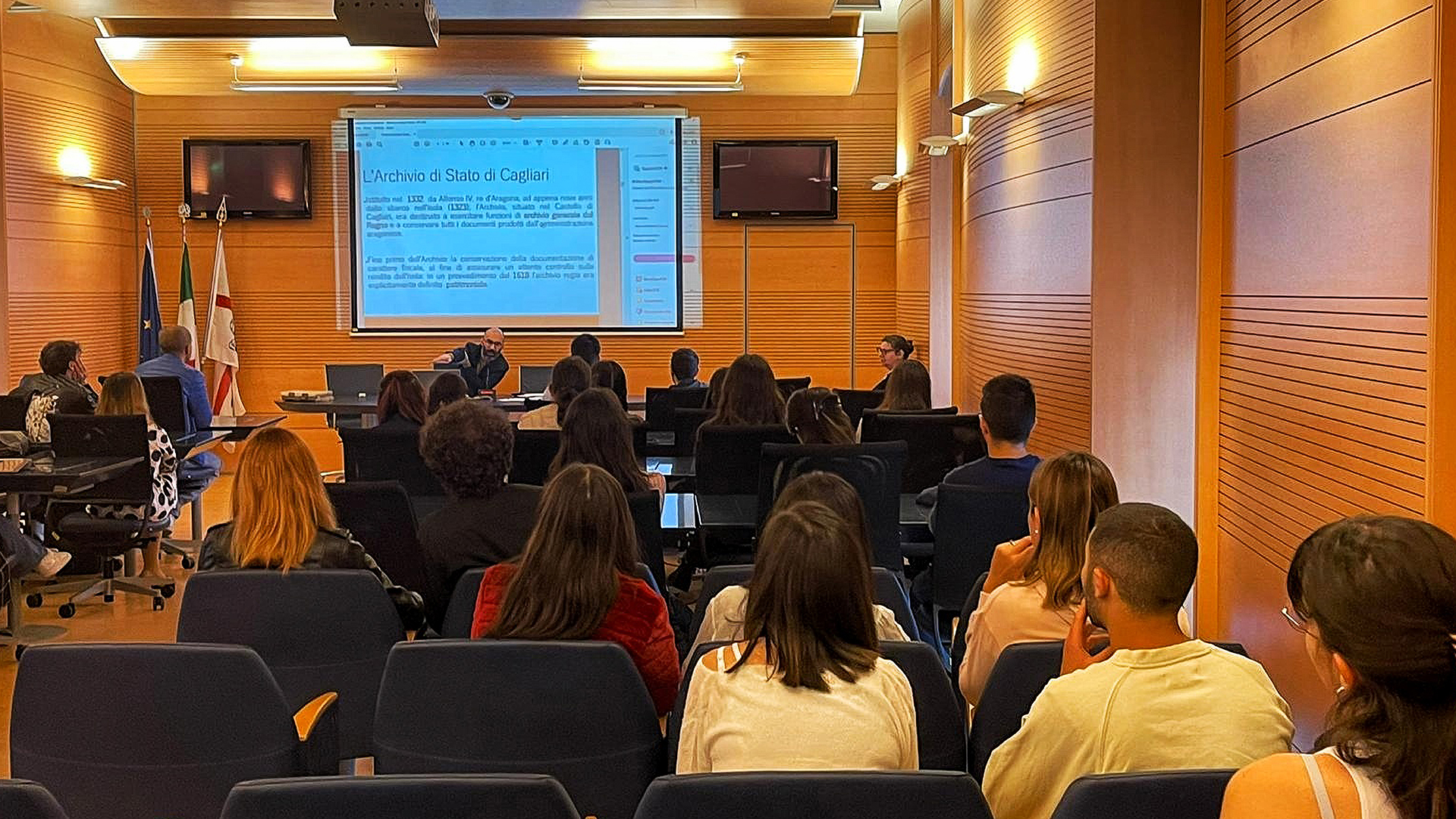
1. About the APD School The School of Archival, Palaeography and Diplomatic Studies (APD) of the Cagliari State Archives is an advanced training service rooted in the tradition of the schools attached to the Italian State Archives. Its purpose is to pass on specialist skills in the study, interpretation, and management of documentary sources, training…
1. Education and training as a public service The Cagliari State Archives fulfils an educational role that supports and complements its protection, conservation, and research activities. Through training initiatives and collaborative pathways, the Institution promotes knowledge of archival sources, the historical method, and the civic value of documentary memory. These activities fall outside the scope…
Information, Outreach and Cultural Promotion
Activities and services that make archival heritage accessible, understandable and shared, strengthening dialogue between the Archives and the community.
Alongside its conservation and research functions, the State Archives of Cagliari carries out ongoing information, outreach and cultural promotion activities with the aim of making archival heritage accessible and understandable to a broad and diverse public. Through publishing, cultural initiatives, events and communication services, the Institute presents the archives as a living memory capable of engaging with the community and the present. These activities turn documents into opportunities for encounter, storytelling and participation, reinforcing the role of the Archives as an open space connecting history, the local area and citizens.
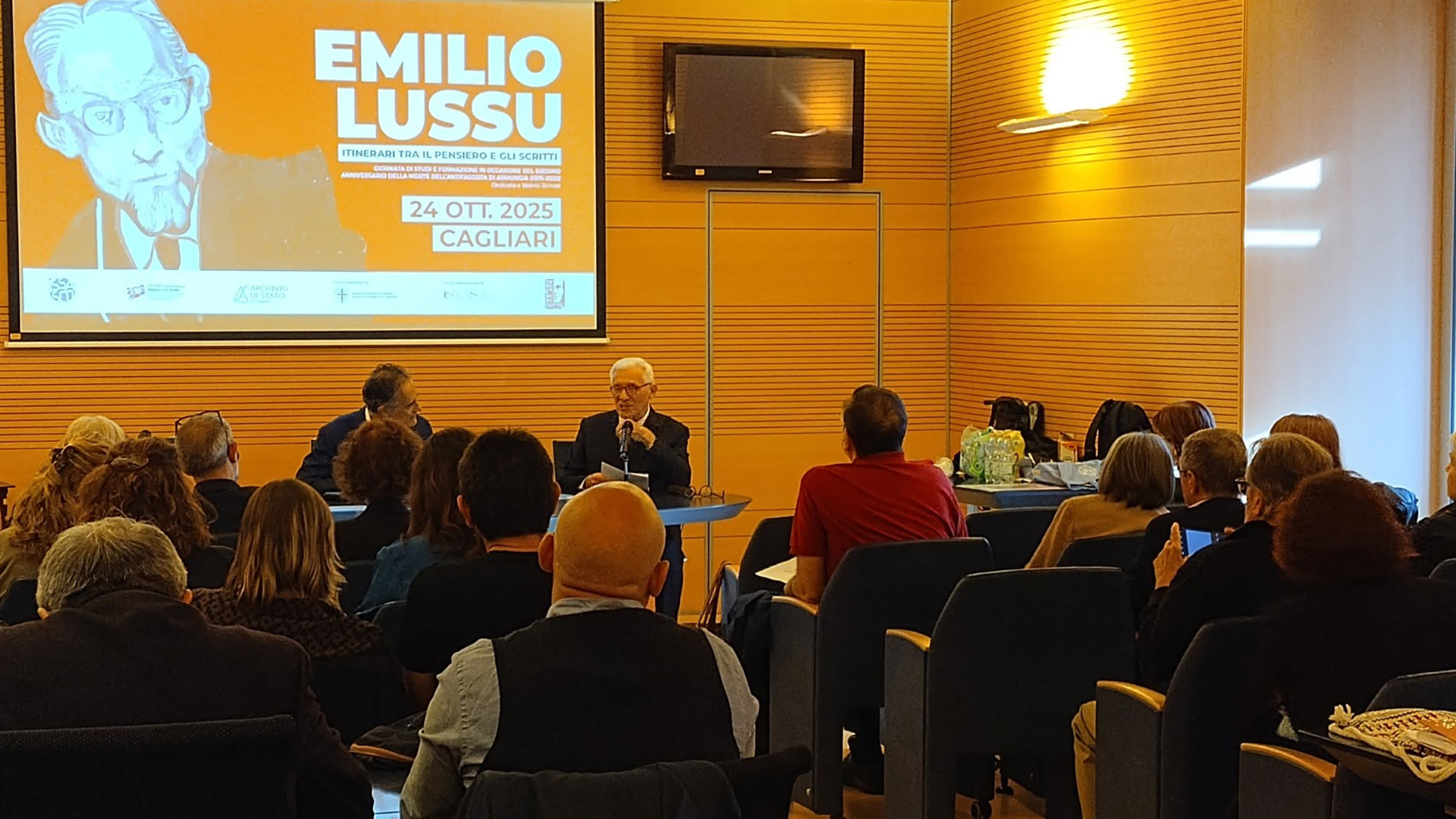
What the service offers The Cagliari State Archives makes some of its spaces available for cultural, educational and institutional initiatives consistent with its public mission. The use of these spaces is a means of enhancing the heritage and opening the institution to the community, supporting events that promote knowledge, research and cultural dialogue. The premises…
1. The role of institutional relations Relationship-building activities are a central function of the Cagliari State Archives and underpin all the Institution’s other activities. Through welcoming, information provision and ongoing dialogue with the outside world, the Archives ensures a stable point of contact between the documentary heritage, citizens and institutions. This role goes beyond public…
1. The role of publications Publications are one of the means through which the Cagliari State Archives fulfils its role in disseminating knowledge and promoting the documentary heritage. Through its publishing programme, the Institution makes available the results of historical research, scholarly activity, and cultural initiatives developed or curated over time, contributing to the creation…
1. What our service is about Exhibitions and events are one of the main ways the Cagliari State Archives expresses its role as a cultural institution open to the community. Through exhibitions, public meetings, seminars and related initiatives, the Archives enhances its documentary heritage and makes it accessible to non-specialist audiences. The exhibitions and events…
1. What to expect from guided tours and educational workshops The Cagliari State Archives offers guided tours and educational workshop activities for groups, schools and other audiences. The aim is to make its documentary heritage accessible and understandable, and to foster knowledge of history and archival methods. These activities are not simply walks through the…