
A specialist collection created for the study of sources and developed over time as a reference for archival and historical research.
The library of the State Archives of Cagliari is an integral part of the Institute’s heritage.
Formed from the second half of the nineteenth century, it was born as a service library destined “especially to the employees of the Archive”, according to the Regulation of 1911.
Over time, the collection has played an increasingly important role, becoming a reference point for bibliographic research and the study of documentary sources preserved by the Institute.
Today, the library holdings form a specialist collection closely connected with the description, arrangement and interpretation of the archival holdings.
We preserve the past
We rethink the future
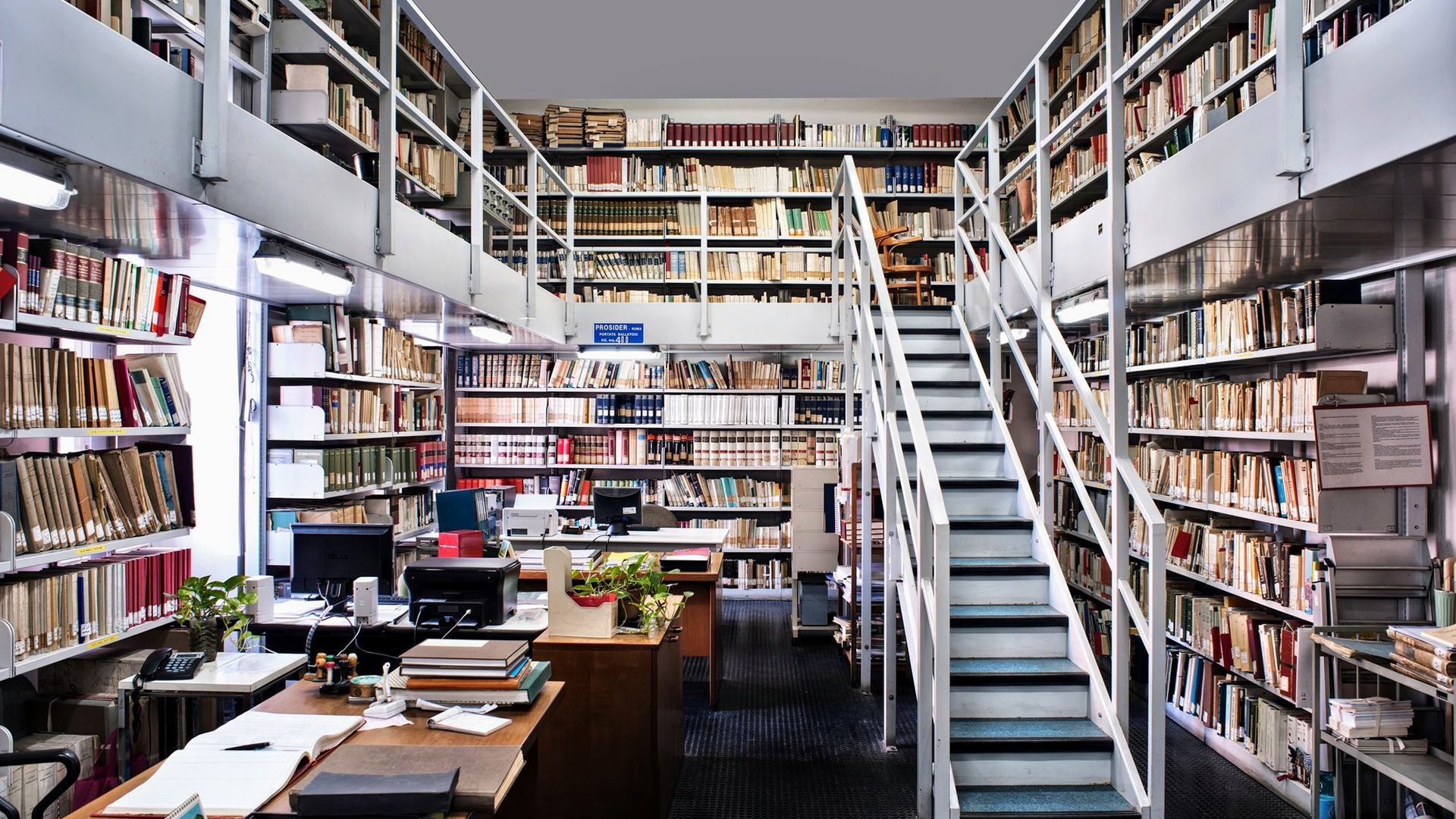
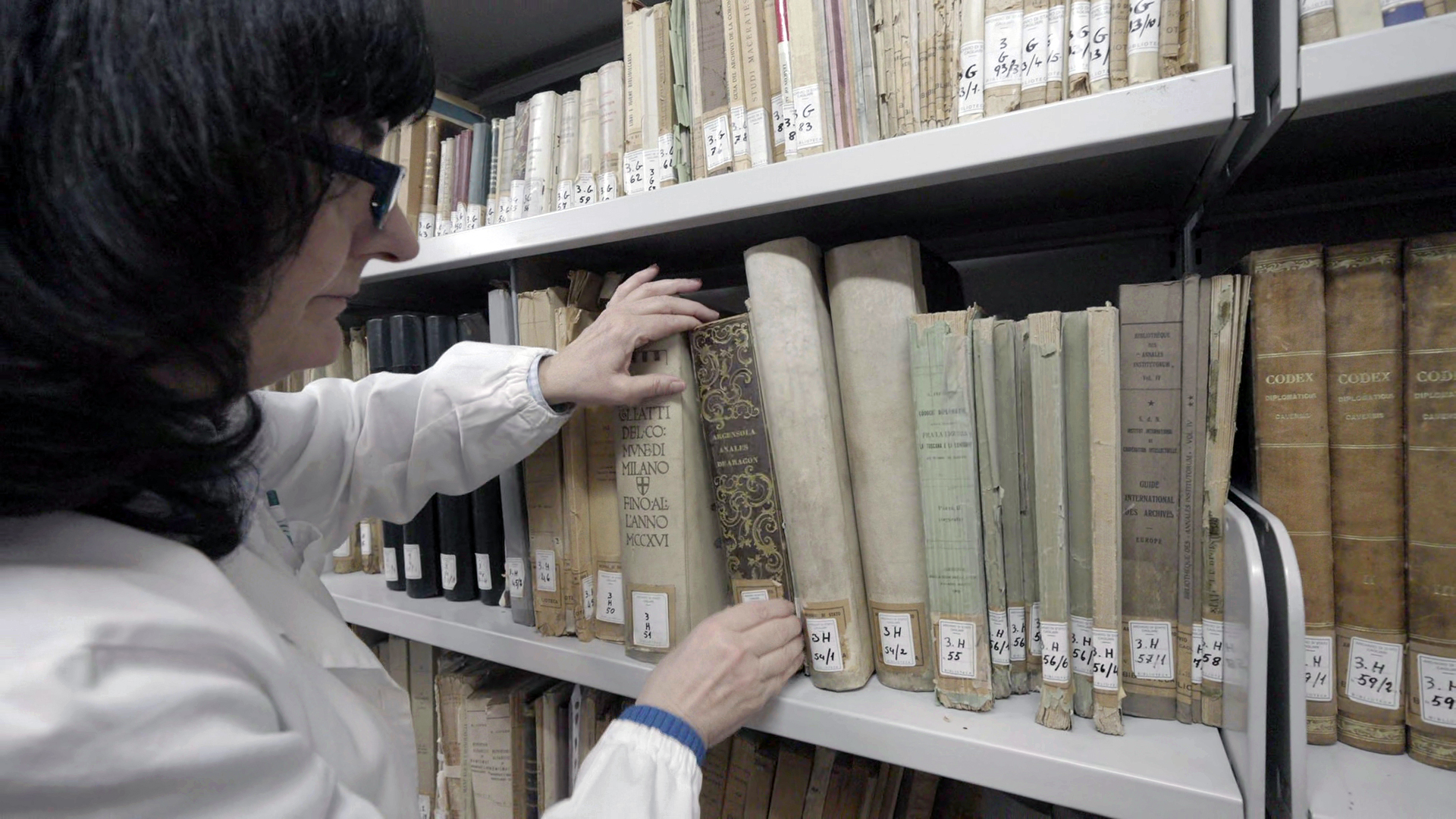
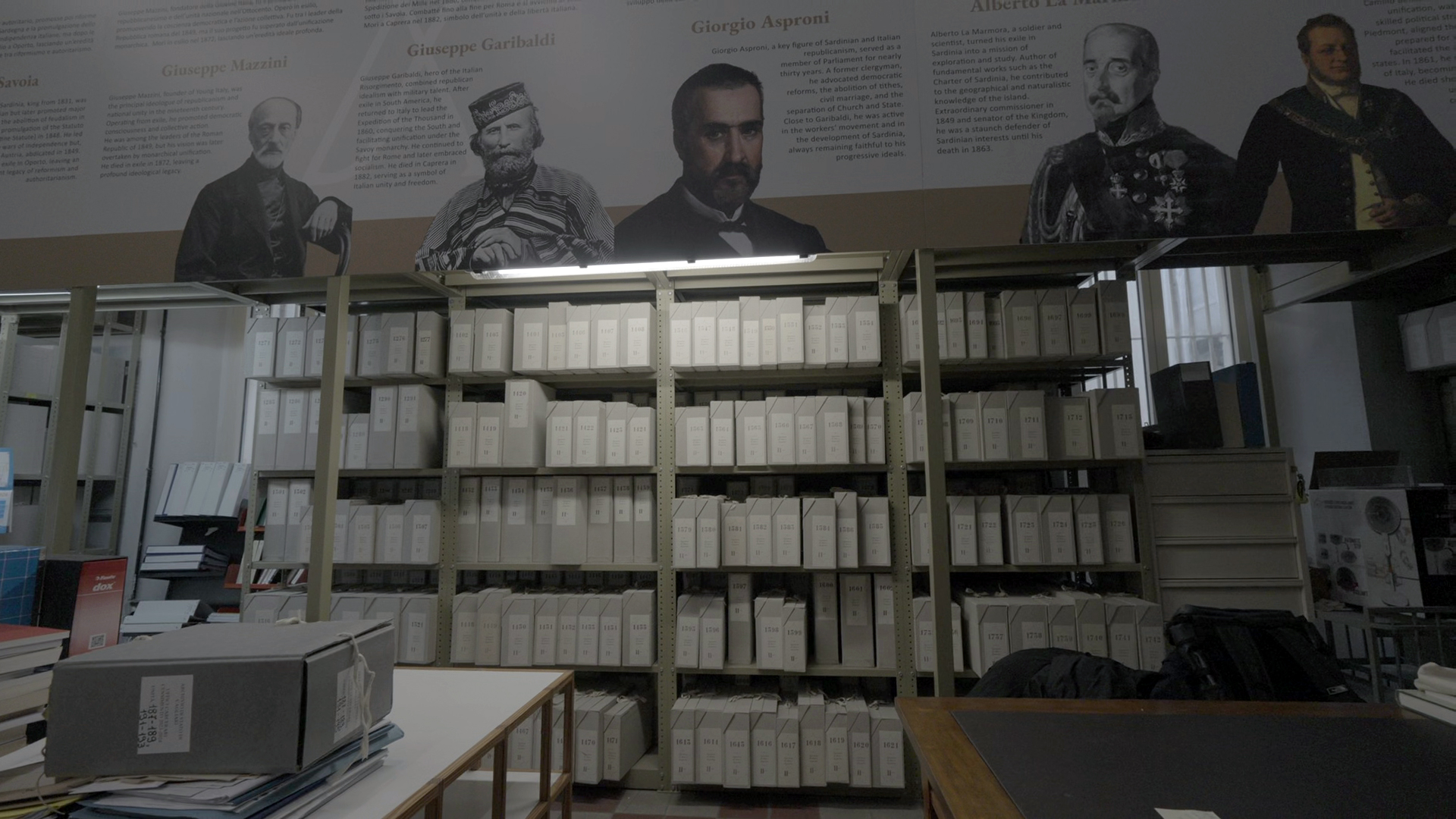
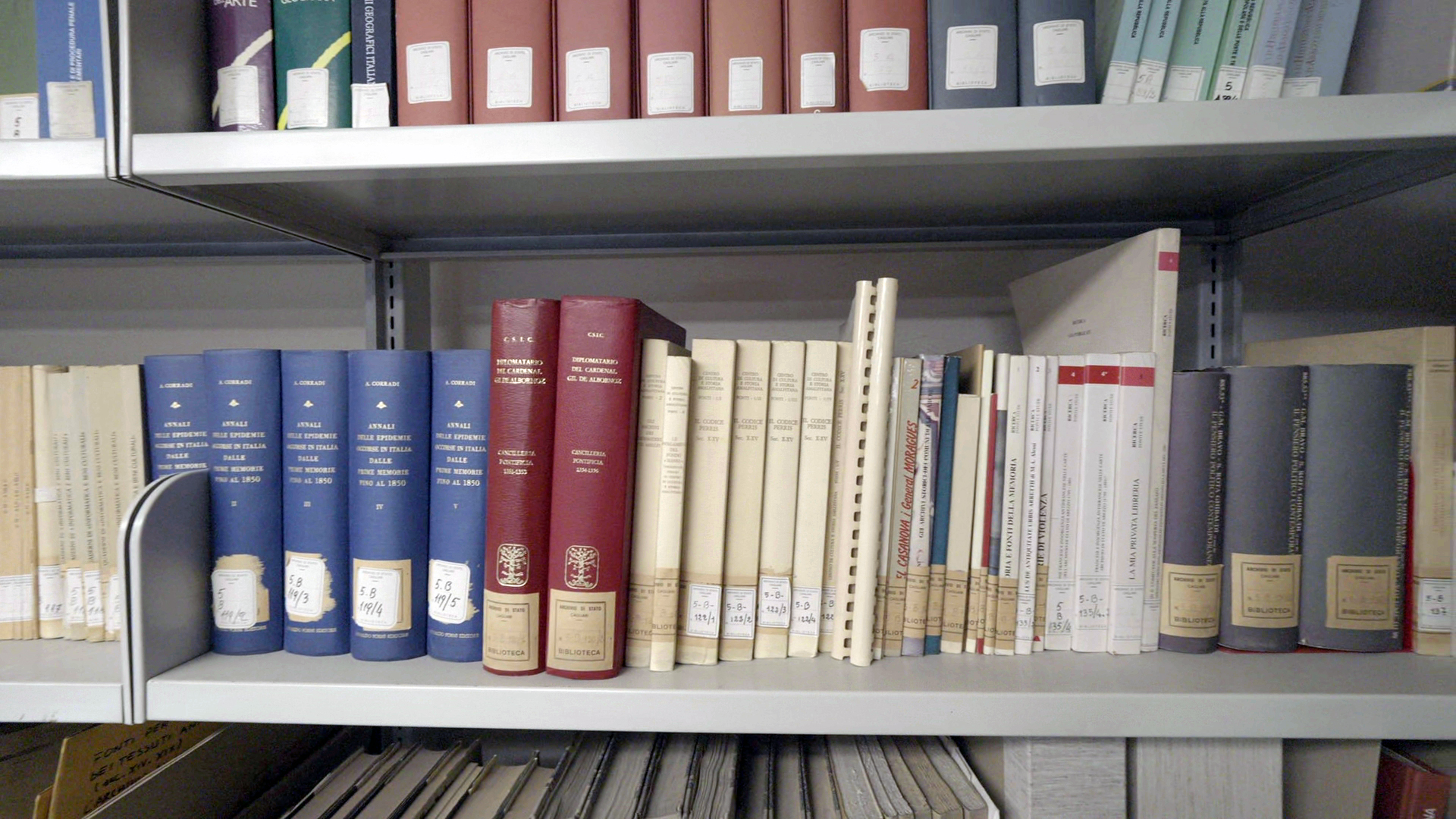
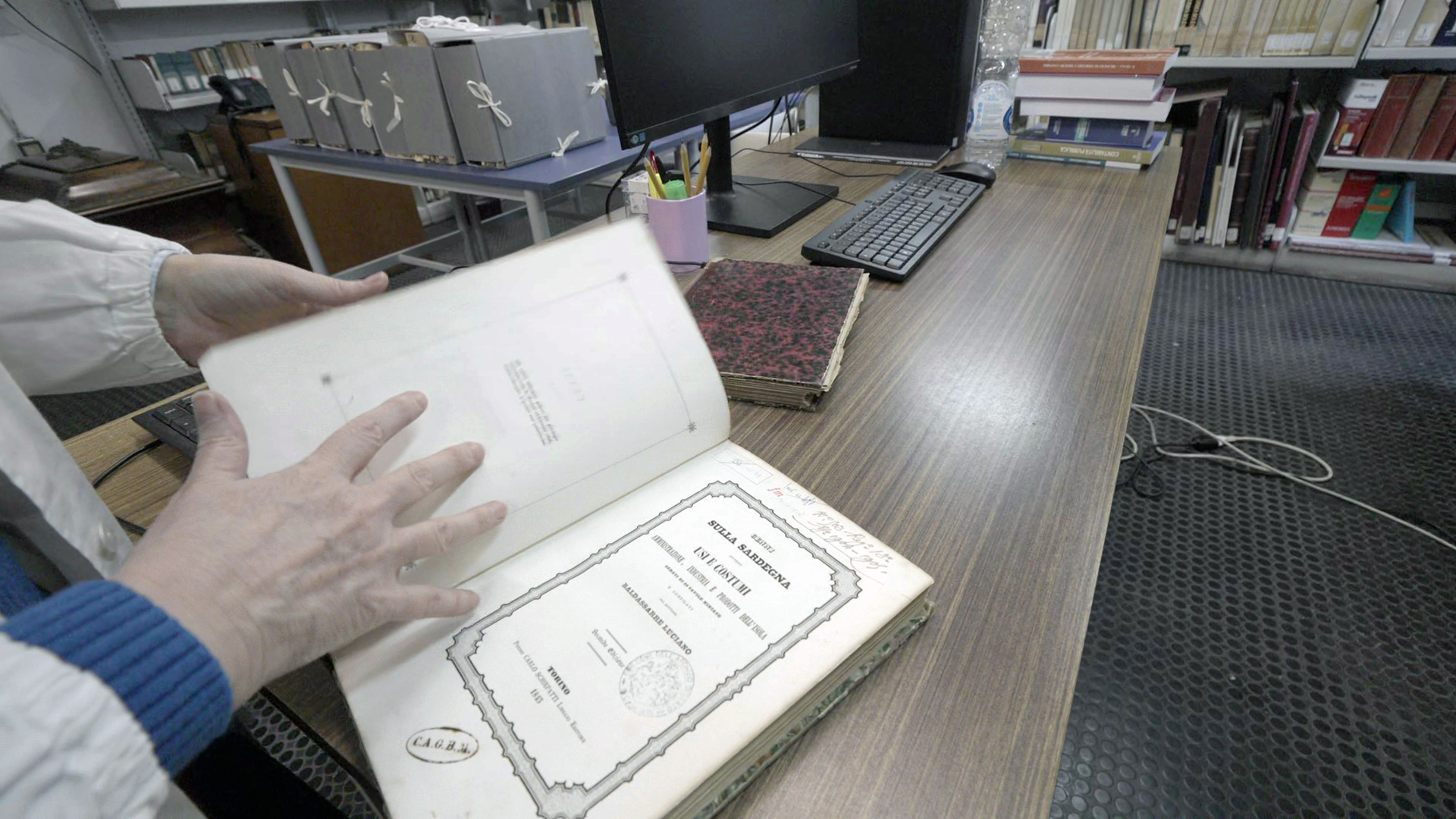
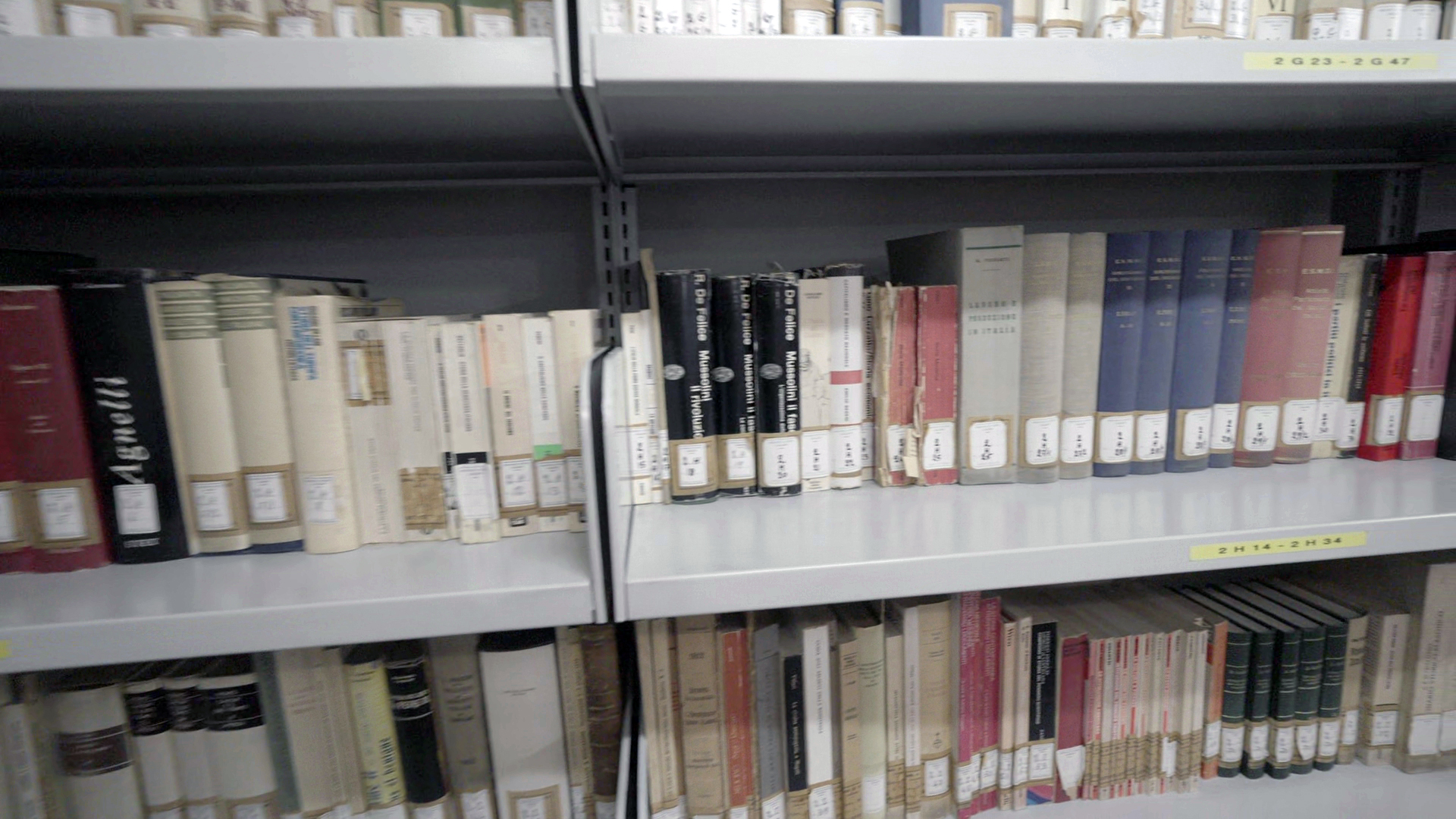
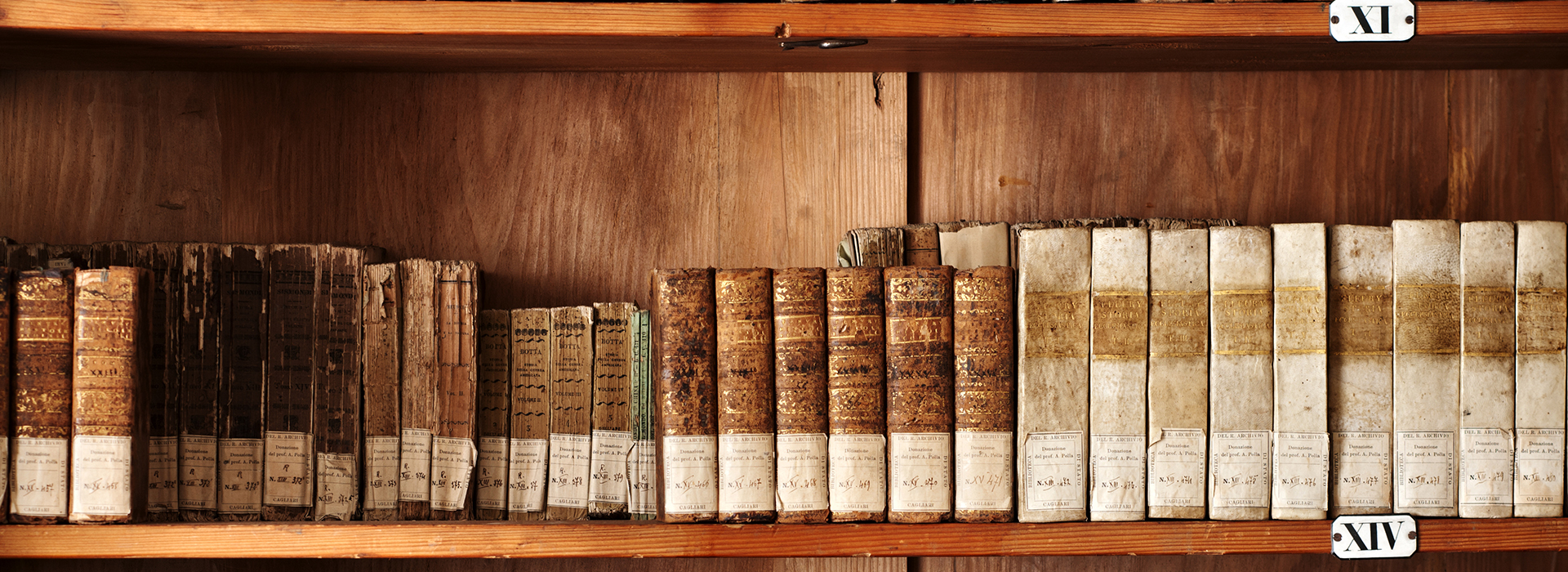
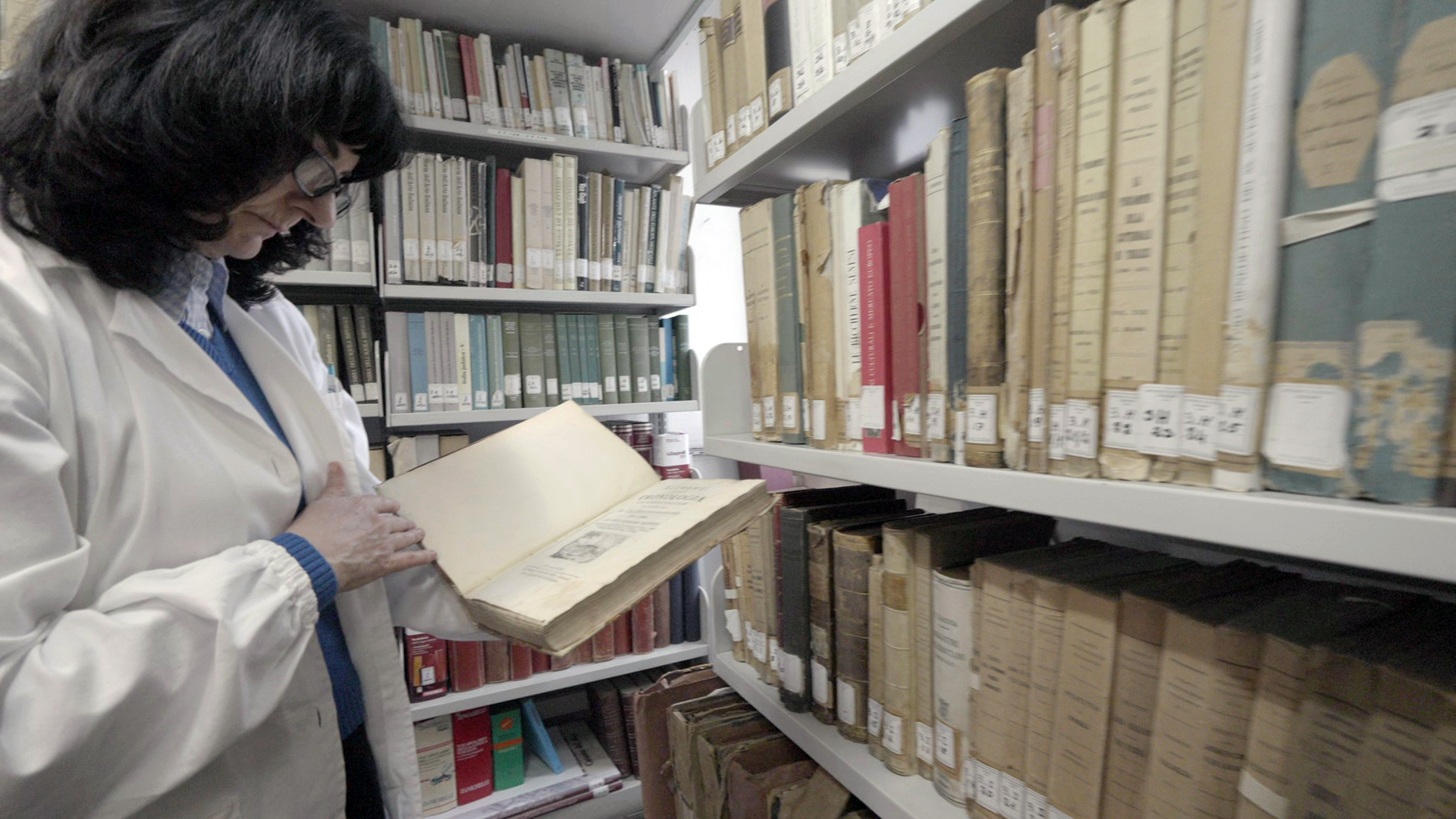
Development and extent of the collections
A heritage built over time through institutional acquisitions, donations and legacy, today articulated in a wide and specialized collection.
From a small initial core consisting mainly of donated publications, the library of Archivio di Stato di Cagliari gradually developed through direct purchases, ministerial deposits, donations, bequests and publications supplied under the copy-deposit requirement by researchers who used the Archive’s records.
This process of growth reflects, on the one hand, the activity of the Institute and, on the other, the evolution of archival, historical and historical-institutional studies.
This process of growth reflects, on the one hand, the activity of the Institute and, on the other, the evolution of archival, historical and historical-institutional studies.
Today the holdings comprise more than 51.000 volumes, 21 manuscripts, 25 sixteenth-century editions, 47 prints and drawings, 485 periodical titles and approximately 400,000 microfiches, as well as a substantial collection of photographic reproductions, magnetic tapes, CDs, videocassettes, geographical charts and maps, and more than 500 degree theses.
Show more
The collection has a strongly specialist profile. Alongside publications on the history of Sardinia and the documentary sources preserved by the Institute, particular emphasis is placed on archival studies—including archival science, palaeography and diplomatics—as well as historical-institutional and legal-administrative studies.
In these fields, the library is one of Sardinia’s most significant specialist collections.
A significant part of the holdings comes from library collections acquired through donations or bequests, preserving evidence of their original owners’ scientific and cultural interests.
These include the Fondo Antioco Polla, chiefly historical and philosophical in character; the Fondo Francesco Loddo Canepa, associated with the scholarly work of the director of Archivio di Stato di Cagliari from 1936 to 1954; the Fondo Silvio Vardabasso, particularly notable for scientific works and publications concerning Sardinia; the Fondo Rusconi; the collection formerly owned by Ovidio Addis; the Fondo Ugo Carcassi, devoted to Giuseppe Garibaldi; and the Fondo ISSRA – Istituto Sardo per la Storia della Resistenza e dell’Autonomia, acquired in 2022.
Together, these collections form layered library holdings that have long supported the study, research, description and interpretation of the archival heritage.
Library fonds and collections
- Fondo Antioco Polla
Date range: 1525–1900.
A collection chiefly historical and philosophical in character. - Fondo Francesco Loddo Canepa
Date range: 1610–1960.
The library formerly owned by Francesco Loddo Canepa, director of Archivio di Stato di Cagliari from 1936 to 1954, with a particular focus on historical, archival and palaeographical studies. - Fondo Silvio Vardabasso
Date range: 1900–1966.
A collection containing mainly scientific works, with a significant number of publications concerning Sardinia. - Fondo Rusconi
Date range: 1864–1938.
The collection formerly owned by Count Cesare Giovanni Rusconi, brigadier general of the Granatieri di Sardegna. - Raccolta Ovidio Addis
1908–1966.
The collection formerly owned by Ovidio Addis, a scholar of archaeology and Sardinian history. Currently unavailable for consultation for ownership-related reasons. - Fondo Ugo Carcassi
Date range: 20th century.
A collection devoted entirely to Giuseppe Garibaldi, comprising 61 volumes. - Fondo ISSRA – Istituto Sardo per la Storia della Resistenza e dell’Autonomia
Date range: 1900–2003.
The fonds comprises 4,157 volumes and 144 periodical titles.
Integration into the national system
The bibliographical description follows national standards and allows access to resources through shared cataloguing systems.
Bibliographic information is organised according to the standards established by Istituto Centrale per il Catalogo Unico delle biblioteche and complies with RICA and ISBD, ensuring uniform and interoperable resource descriptions.
The library participates in the Servizio Bibliotecario Nazionale (SBN) through the Sardinian regional network.
The collections are available through:
- online catalogs (OPAC SBN)
- Traditional catalogues for author, title and subject
- specific tools for periodicals, manuscripts and graphic materials
This integration places the Institute’s library holdings within the national bibliographic network, ensuring their visibility and accessibility.
Relationship with the archival heritage
A library that is born and develops in direct relation to sources, as an instrument to understand, interpret and make them accessible.
The library holdings of Archivio di Stato di Cagliari are not separate from its archival holdings, but have developed in direct relationship with them, supporting their study, description and interpretation over time.
The collections reflect the historical and institutional contexts in which the records were created, providing essential tools for understanding the nature of the sources, the workings of administrative bodies and changes in legal and political systems. The library therefore helps place records in context rather than viewing individual archival units in isolation.
At the same time, the library holdings support the Archive’s technical work: arrangement, description and the production of finding aids also rely on reference works, specialist studies and methodological models held in the library.
The relationship between the archival and library holdings thus forms an integrated system in which sources and interpretive tools reinforce one another, enabling more informed, structured and in-depth research.
The collections support:
- the analysis of historical-institutional contexts
- the interpretation of documentary sources
- archival arrangement and description
- specialist scientific research
The library thus contributes to the Archive’s role as a place of preservation, study and knowledge production, strengthening the connection between records and research tools.