
This page provides all the information needed by anyone wishing to pursue a career as an archivist: a profession dedicated to safeguarding, organising and making documentary heritage accessible and transparent.
The archivist is the professional responsible for safeguarding, arranging and describing records produced by institutions, organisations and communities. This work ensures the preservation of documentary heritage and access to sources, supporting administrative continuity and historical research.
The archival profession requires historical, legal and technical expertise. Today archivists work with both historical archives and contemporary records systems, including digital ones, ensuring that records are properly managed, preserved and made available in accordance with current legislation.
We preserve the past
We rethink the future
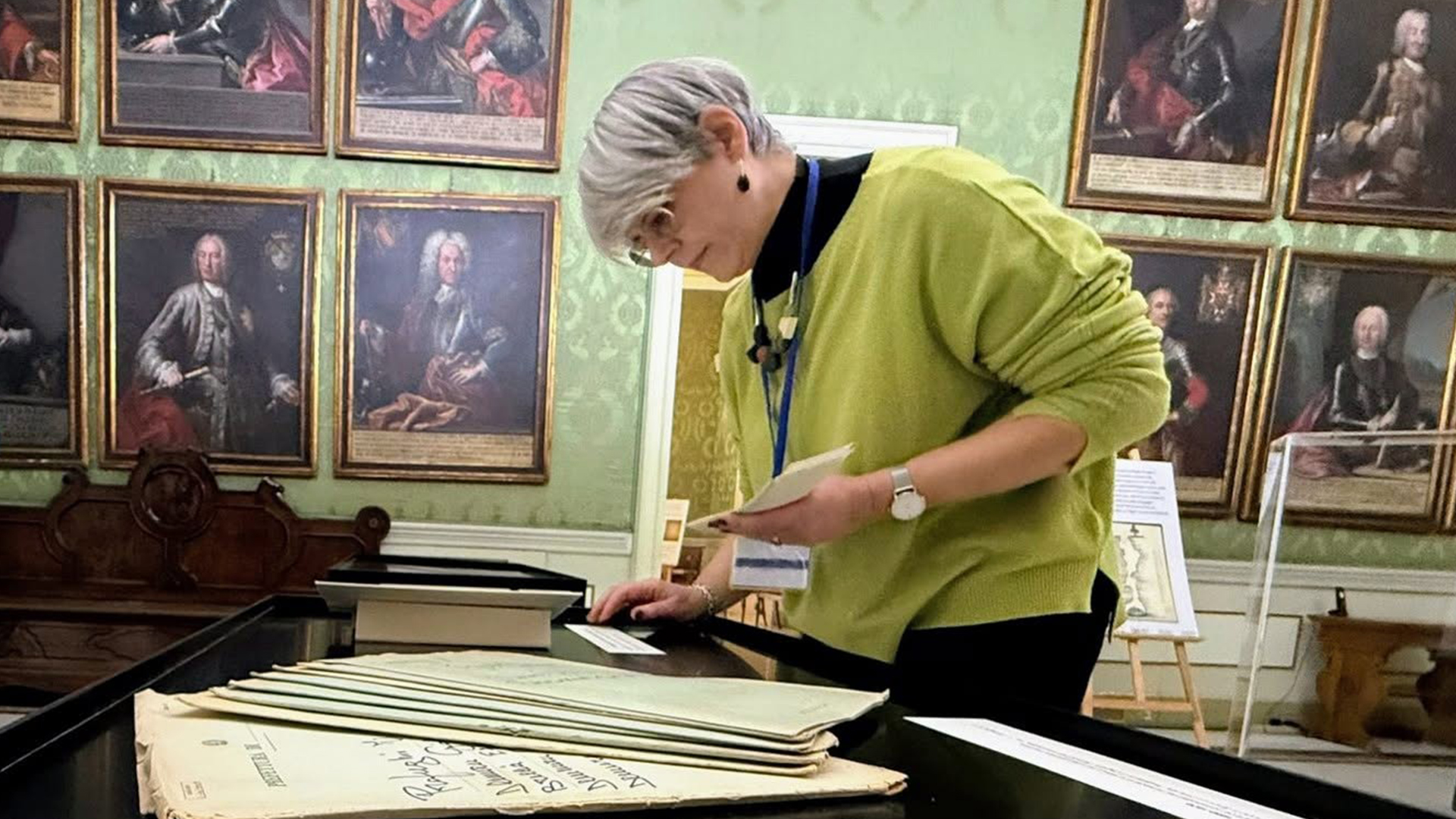
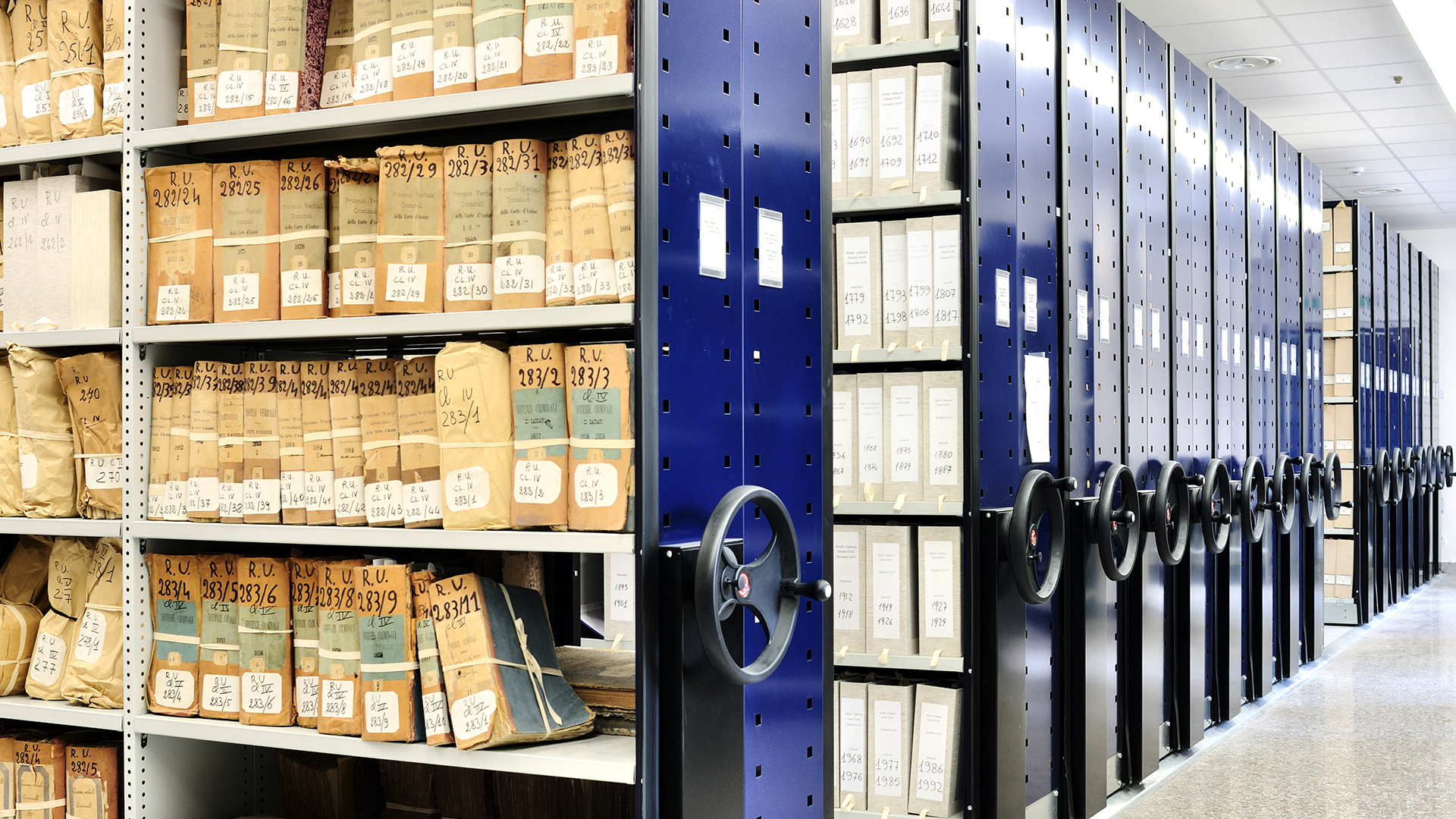
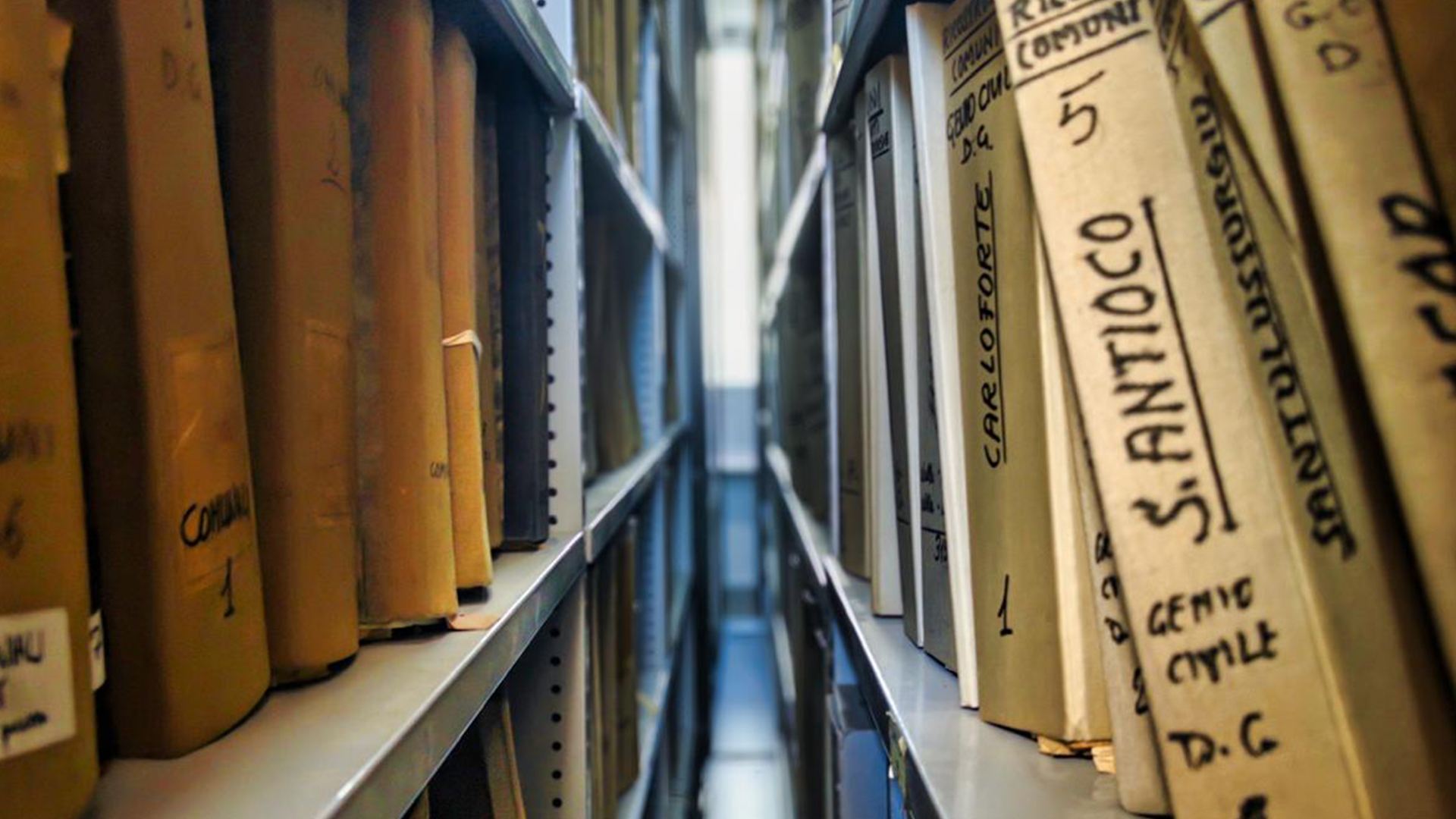
Curriculum
The APD School courses, organised by subject area.
The two-year specialisation programme combines palaeography, diplomatics, general and technical archival studies, legislation, records management and digital records systems. It provides professional preparation and an understanding of different types of archives.
L’indirizzo paleografico è rivolto allo studio e all’interpretazione della documentazione storica, con particolare attenzione alle forme della scrittura, alla struttura e alla tradizione dei documenti e ai contesti istituzionali che ne hanno determinato la produzione. Il percorso approfondisce discipline come paleografia, diplomatica e storia del diritto, fornendo strumenti indispensabili per leggere, comprendere, descrivere e valorizzare le fonti archivistiche medievali e moderne.
Insegnamenti obbligatori
- Archivistica generale a) Teoria archivistica (6 CF)
- Archivistica generale b) Storia degli archivi e dell’archivistica (6 CF)
- Archivistica generale c) Legislazione archivistica (6 CF)
- Archivistica tecnica (6 CF)
- Metodologie per l’edizione critica dei documenti medievali, moderni e contemporanei (6 CF)
- Storia delle istituzioni pre e post-unitarie (6 CF)
- Elementi di diritto pubblico con elementi di contabilità pubblica (6 CF)
- Sistemi di archivi digitali (6 CF)
- Tirocini o stages in strutture esterne; analisi e discussione di casi di studio; project work (6 CF)
- Diplomatica (12 CF)
- Paleografia latina (12 CF)
- Storia del diritto medievale e moderno. Storia delle istituzioni dello Stato preunitario della regione in cui opera la Scuola (6 CF)
Insegnamenti opzionali
L’indirizzo contemporaneistico approfondisce la formazione, la gestione e l’interpretazione dei documenti e degli archivi dell’età contemporanea, ponendo particolare attenzione all’evoluzione dei sistemi documentari, ai nuovi supporti e ai processi di gestione dell’informazione. Il percorso affronta temi legati al records management, alla diplomatica del documento contemporaneo e al trattamento delle fonti fotografiche, orali e audiovisive, con uno sguardo rivolto anche alla trasformazione digitale degli archivi.
Insegnamenti obbligatori
- Archivistica generale a) Teoria archivistica (6 CF)
- Archivistica generale b) Storia degli archivi e dell’archivistica (6 CF)
- Archivistica generale c) Legislazione archivistica (6 CF)
- Archivistica tecnica (6 CF)
- Metodologie per l’edizione critica dei documenti medievali, moderni e contemporanei (6 CF)
- Storia delle istituzioni pre e post-unitarie (6 CF)
- Elementi di diritto pubblico con elementi di contabilità pubblica (6 CF)
- Sistemi di archivi digitali (6 CF)
- Tirocini o stages in strutture esterne; analisi e discussione di casi di studio; project work (6 CF)
- Diplomatica del documento contemporaneo (12 CF)
- Trattamento delle fonti fotografiche, orali e audiovisive (6 CF)
- Teoria e metodi del records management (12 CF)
Insegnamenti opzionali
- Diplomatica (12 CF)
- Paleografia latina (12 CF)
- Storia del diritto medievale e moderno. Storia delle istituzioni dello Stato preunitario della regione in cui opera la Scuola (6 CF)
- Principi di conservazione e restauro dei supporti tradizionali. Organizzazione e gestione dei depositi archivistici. Sicurezza (6 CF)
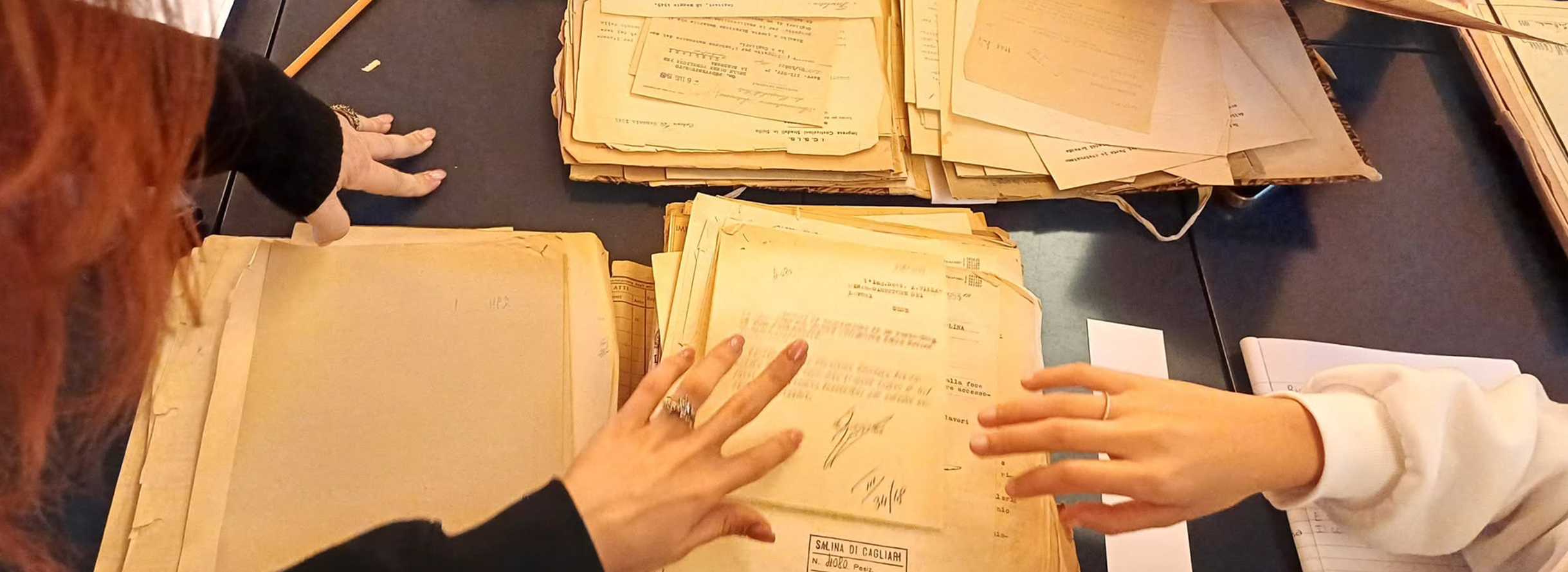
Would you like to discover the archival profession?
Join the next two-year programme at the APD School and shape your specialisation path.
Your path into the archival profession can begin here.
Educational Organization
Frequency, mode of operation, verification and final test of the biennial route.
The training course develops over two years through lessons, teaching activities and course examinations related to the teachings provided by the plan. Participation in activities, overcoming examinations and final testing contribute to the achievement of the Diploma of Specialization for archivists.
The frequency of the lessons is mandatory. In order to be eligible to take the profit examination of each teaching, you must have attended at least the80% of the expected hours from the educational plan; the School provides for the verification of presences also for the activities possibly carried out remotely.
Part of the teaching activity can be carried out by distance teaching, within the maximum limit of 25% of total didactic hours provided for in the Regulation.
Here we can then add the specific information of the Cagliari cycle, if available: schedule of lessons, days/hours, seat, actual modes adopted etc.
The teachings provide for course examinations which, in relation to the discipline, can consist of written, oral or practical evidence. The evaluation is expressed in treasons and the examination is exceeded with a minimum vote of 18/30.
During the year, Two appeals, a summer and an autumn; the relative calendar is established by the Director of the School, heard the Education Council.
This agreementon could also accommodate the actual cycle appeal calendar, but as separate and up-to-date data.
The route ends with a final test, consisting in the presentation and discussion of an original dissertation relating to one of the disciplines covered by the teaching, prepared with the approval of a lecturer.
The evidence is discussed in front of a committee and can attribute up to 10 additional points compared to the average of the course examinations. Two annual sessions are scheduled, following the exams.
At the end of the route, reached at least 120 CFU and passed the final test, the School releases the Specialization Diploma for archivists.
The final vote is expressed in hundred and fifty-five; the diploma follows with a minimum assessment 90/150 and can be attributed the praise in case of 150/150.
Together with the diploma, a certification is issued that reports the final vote, the results of the exams supported, the relative modules and credits acquired.

Admission requirements and procedure
Qualifications, procedures and deadlines for admission to the APD School’s two-year programme.
Admission to the School is open to applicants holding the qualifications required by current legislation and takes place through a selection procedure governed by a specific call. The call sets out the requirements, application procedure, deadlines, entrance examination and enrolment procedure.
What is required to apply?
- hold a master’s or specialist degree, or a degree awarded under the former university system
- submit the application by the deadline stated in the call
- sit and pass the entrance examination
- complete enrolment after admission to the two-year programme.
What are the steps for enrolment?
- 1. Publication of the call: the call defines the admission requirements, required documentation, application procedure, deadlines and features of the selection process.
- 2. Submission of the application: applications must be submitted in the manner and by the deadline specified in the call, using the required forms.
- 3. Entrance examination: eligible applicants are invited to sit the examination specified in the selection procedure.
- 4. Admission and enrolment
Time remaining until applications close for the 2026–2028 programme:
2026-09-05T00:00:00+02:00
Days
72
Hours
14
Minutes
09
Seconds
55